What a Transfer Station Accepts From an Anderson Cleanout
A transfer station accepts most household junk, but it sorts and weighs it, and it turns away anything dangerous. For junk removal in Anderson, CA, the advice at anderson junk removal 121 melody is to call the site first, because accepted items, hours and rules for loads change with the operator and the season. The facilities serving Shasta County residents around Anderson, Redding and Cottonwood each set their own policies.
How does a transfer station work?
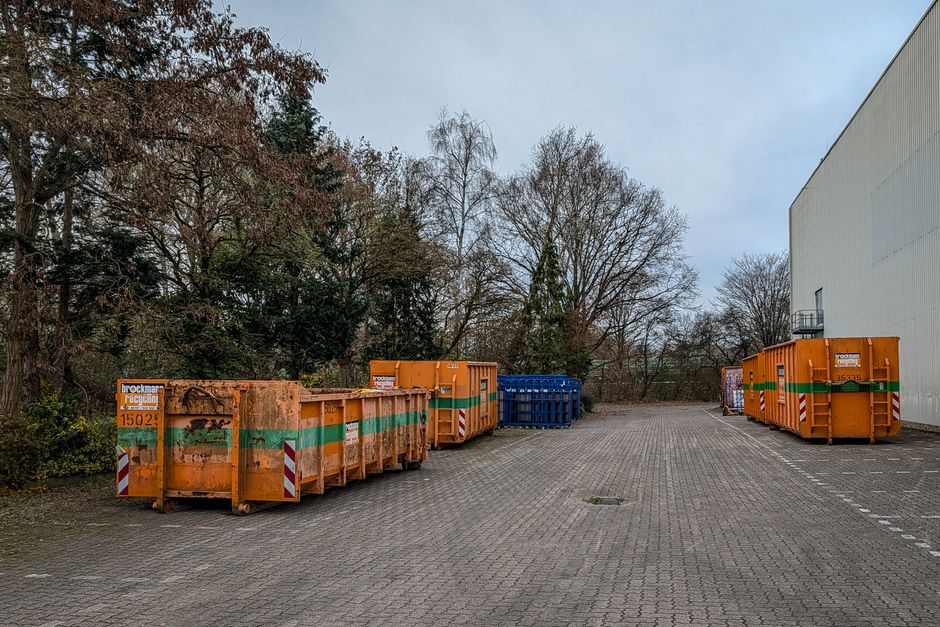
A vehicle pulls onto a scale, drives to the tipping area, unloads into a bay or a container, and weighs out again. The station then sorts what it can for recycling and sends the rest on to a landfill. Because cost follows weight, a clean sorted load is cheaper and faster than a mixed one. A pickup that arrives from Anderson with tarped, separated loads is waved through the line more quickly.
What is usually accepted?
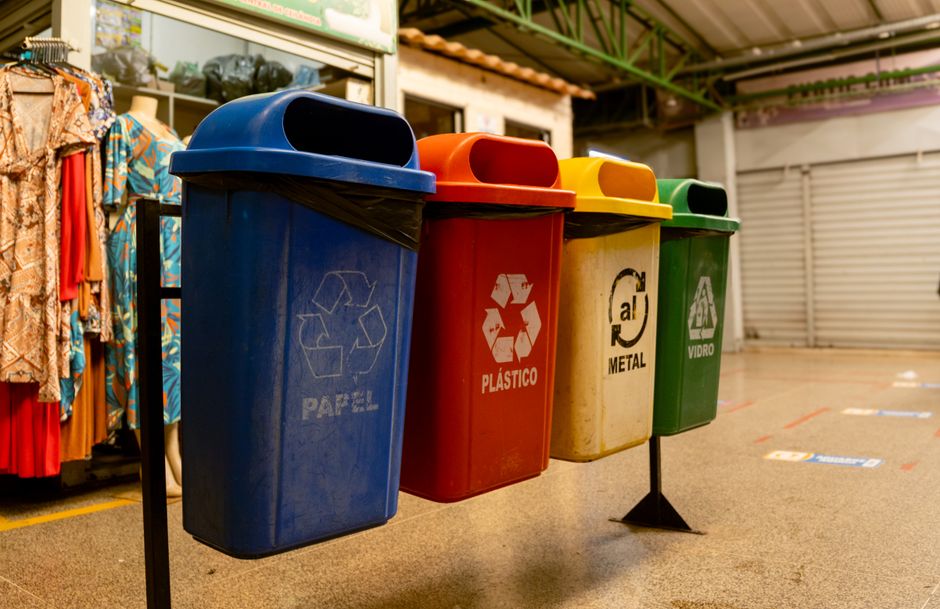
Furniture, ordinary household trash, clean cardboard, scrap metal, green waste, and in many cases appliances after refrigerant has been recovered. Many stations keep separate lanes for yard debris, metal and clean wood, so sorting at home matches the layout on site. Residents bringing material from properties near the Sacramento River or Anderson River Park find the lanes marked at the gate.
What is usually refused?
Paint, solvents, pesticides, batteries, propane cylinders, medical waste and anything radioactive or explosive are not accepted at the general tipping floor. Tires, large appliances with refrigerant and electronics often need a different drop-off. Asbestos material is refused entirely and needs a licensed handler. Shasta County posts a hazardous waste program that handles most chemicals, with its own hours.
How should a load be prepared?
Separate the metal, the green waste and the clean wood. Tarp the load so nothing blows off on Interstate 5. Bring identification if the site asks for proof of local residence, and expect to follow the staff's directions on where to unload. A call before heading from Anderson to Redding saves a trip when the site changes its hours for a holiday or a heat advisory.
What if something is not on the list?
Ask. A staff member at the scale can say in a minute whether an odd item such as a hot tub, a piano or a trampoline is accepted, and whether it must be broken down first. Anything they refuse is better held at home than left at a roadside near Shasta Dam or Mount Shasta, where dumping carries fines.