Hauling Old Appliances and Worn-Out Furniture
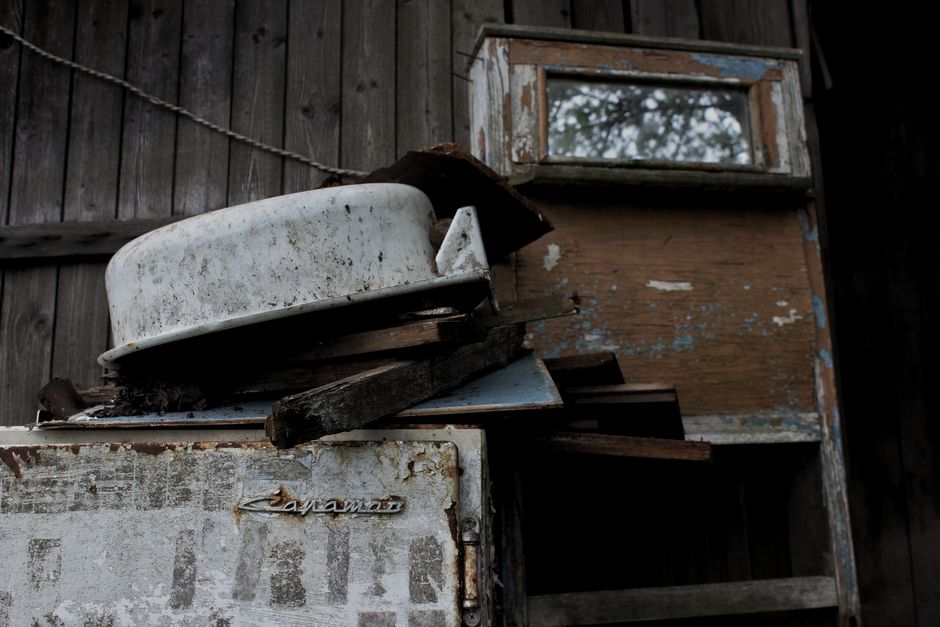
A refrigerator is the one appliance that cannot simply be tossed onto a truck. Junk removal of old appliances in Anderson, CA is a refrigerant question first, which is why anderson junk removal 121 melody lists coolant, doors and cords as the three checks before anything is lifted. A unit headed for scrap near Interstate 5 or out toward Cottonwood has to be treated differently from a couch headed for the landfill.
What has to be done to a refrigerator or freezer?
The refrigerant has to be recovered by a certified person before the unit is crushed or shredded, and scrap yards in Shasta County usually ask for proof that it was done. The shelves and glass come out, the doors are taped or strapped shut, and the unit travels upright. Any food is removed days earlier, and the interior is dried so mold does not spread through the truck.
How are washers, dryers and ranges handled?
A washer has a drum that has to be drained and bolted for travel. A dryer has a vent hose full of lint that is best bagged. A gas range needs its line capped by someone qualified, never by a guess. All three are dense steel, so the load goes in low and toward the cab, and the straps cross over the top rather than sitting on the edge.
What about a couch, a recliner or a mattress frame?
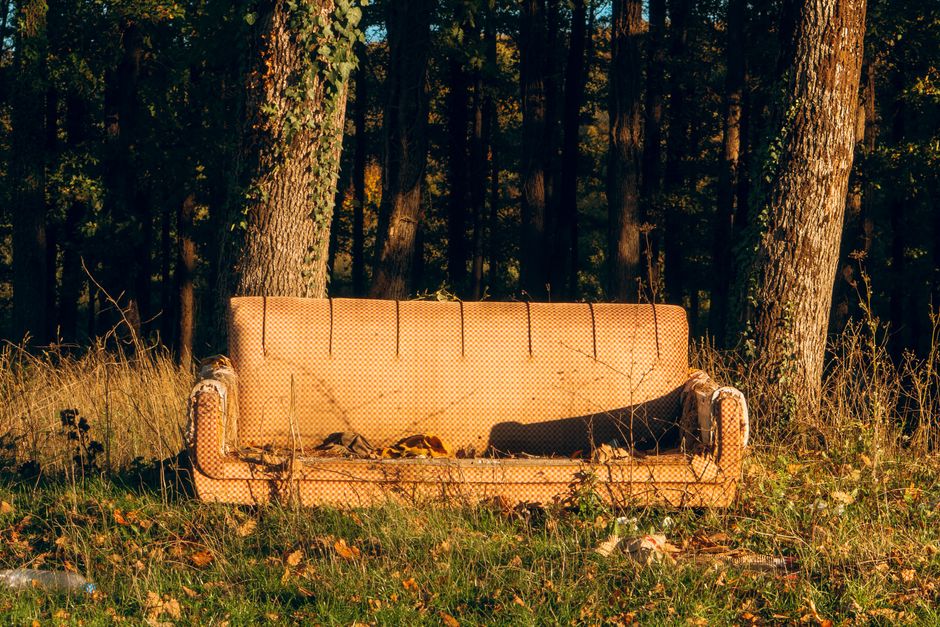
Worn upholstered furniture is usually bulky rather than heavy, but it soaks up rain and gets heavier fast. Cushions come off, legs unscrew, and a sofa that will not fit a hall turns on its end. Pieces that are damp, infested or torn have no resale value and go to the landfill. Solid wood pieces with a sound frame are worth a call to a donation pickup in Redding first.
Why do stairs and doorways decide the plan?
Most failed appliance moves fail at a doorway or a step. A washer that is thirty inches wide meets a door that measures thirty-one with the trim, and the trim wins. Doors are lifted off hinges, rails get a runner, and heavier items ride a dolly with a strap. In summer, a driveway near the Sacramento River can be hot enough that a crew works in the shade and sticks to short carries.
Where does everything end up?
Steel and aluminum go to a scrap yard. Working appliances may go to a resale shop. Everything else goes to the transfer station with the rest of the load, with the heavy items weighed separately when the operator asks. Keeping scrap metal and mixed trash on different sides of the truck makes that weigh-in quick.