Leftover Construction and Remodel Debris
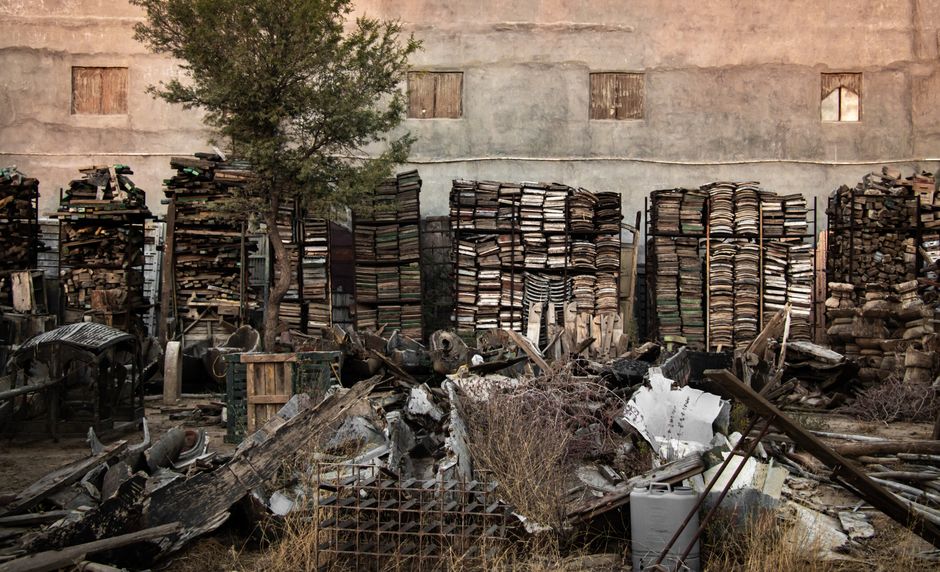
Construction debris is not household junk, and the difference starts with weight. For junk removal after a remodel in Anderson, CA, the guide anderson junk removal 121 melody keeps begins by sorting drywall, lumber, tile, concrete and roofing into separate piles, since each is accepted or refused on its own terms. A kitchen demolition in an Anderson ranch house can produce a ton of material from a few small rooms.
Why is construction debris sorted by material?
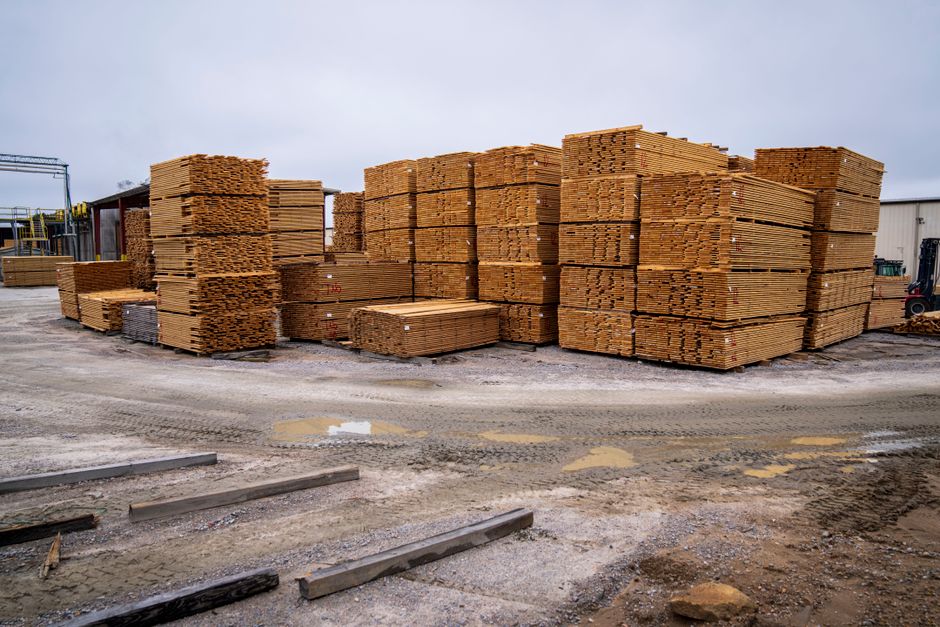
Clean lumber, drywall, concrete and metal each have a different destination. Clean wood can be chipped or reused, concrete can be crushed into base rock, and metal goes to a scrap yard. Mixed together they become a dense, expensive load that a transfer station treats as general waste. Sorting on the driveway in Anderson takes an extra hour and often cuts the load in half.
What is the weight problem?
Tile, concrete, stone and wet drywall are heavy for their size, and a pickup bed fills its weight limit long before it fills its space. A few cubic feet of broken tile can weigh more than a full bed of old cabinets. Trips to a disposal site beyond Redding or out toward Shasta Lake are planned around weight, not volume, and heavy loads are split across more than one run.
What about older houses?
Homes built before the late 1970s may have lead paint, asbestos in floor tile or joint compound, or old insulation that needs testing before it is disturbed. Some Anderson neighborhoods near the old downtown have homes of that age. Suspect material is left alone until a lab confirms what it is, and a licensed professional handles anything that tests positive.
What nails, screws and glass need?
Boards with nails sticking out go in the bed nail-side down or are denailed first. Glass and mirrors are wrapped and boxed. Sinks, toilets and tubs are heavy, brittle and sharp when they break, so they ride on a blanket against the cab. Windows from a remodel near the Sacramento River are taped on both sides so they do not shatter during the highway drive on Interstate 5.
Where do the sorted piles go?
Clean wood and metal go to recycling or reuse, concrete goes to a crusher, and the rest goes to the transfer station as a construction load. Whatever the destination, a quick phone call ahead confirms what that site accepts that week. Salvageable fixtures such as doors and cabinets go to reuse stores first, which keeps good material out of the dumpster.