Building a Safe Mixed Load for the Drive Out of Anderson
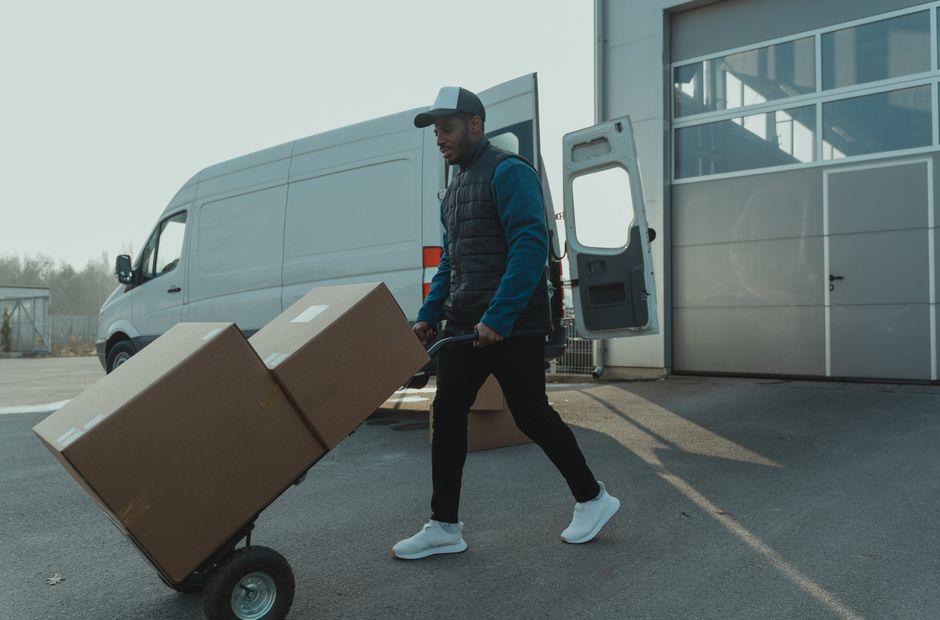
A safe mixed load is built heavy first, light last and tied down before the wheels turn. For junk removal in Anderson, CA, the checklist anderson junk removal 121 melody follows is short: weight low and forward, nothing taller than the cab rail without a strap, and a tarp over everything. The drive from Anderson to a disposal site often includes Interstate 5, where wind can lift a loose sheet of plywood off a bed.
What goes in first?
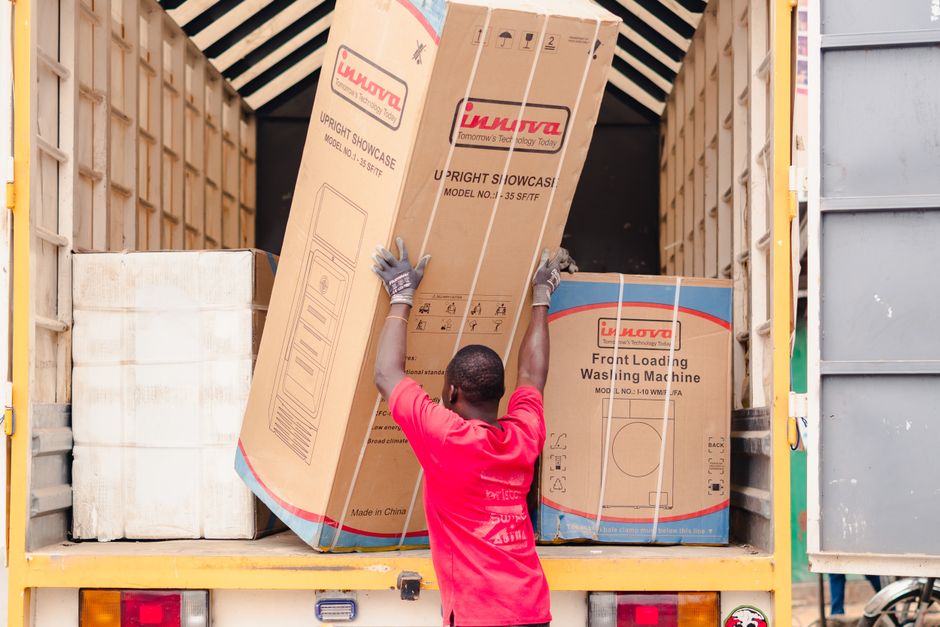
The densest pieces go against the cab wall and on the floor: appliances, scrap metal, stone and bags of wet debris. Putting a washer or a safe at the tailgate shifts the center of gravity back and makes the steering light on the highway. Boxes of books and tools are heavier than they look, so they sit low rather than on top of a couch.
How are awkward items handled?
Long items such as ladders, rails and fence boards lie along the length of the bed and are strapped at two points. Mattresses and cushions fill gaps between hard pieces and keep them from sliding. Anything that rolls, such as a tire or a drum, is chocked and tied. A load leaving Cottonwood or the Sacramento River flats on a gusty day needs more straps than a load leaving a sheltered cul-de-sac.
Why does a tarp matter?
An uncovered load sheds paper, leaves and plastic along the road, and a falling item is a hazard for the driver behind. A tarp is tied at the corners and in the middle, with no loose flapping edge. Loads headed toward Redding or Shasta Dam on a summer afternoon also get blown dry, so a tarp helps keep light debris in place as well as dry.
What do the people lifting need?
Gloves, closed shoes, eye protection and a lift plan. Two people carry anything awkward, a hand truck handles anything over a couple of boxes, and a ramp beats a lift gate for heavy items. A person lifting overhead into a bed is working against their back, so a short ramp or a lowered tailgate is worth the minute it takes to set up.
What is checked before pulling out?
Walk around the vehicle once. Check the straps for twists, the tarp for gaps, the lights and the tires. Drive slower than usual until the first stop, and look in the mirror for anything shifting. Under the heat of a Shasta County afternoon, a quick stop to retighten straps after the first few miles is a cheap habit that prevents most spills.