Storm Limbs and Yard Debris After a Winter Blow
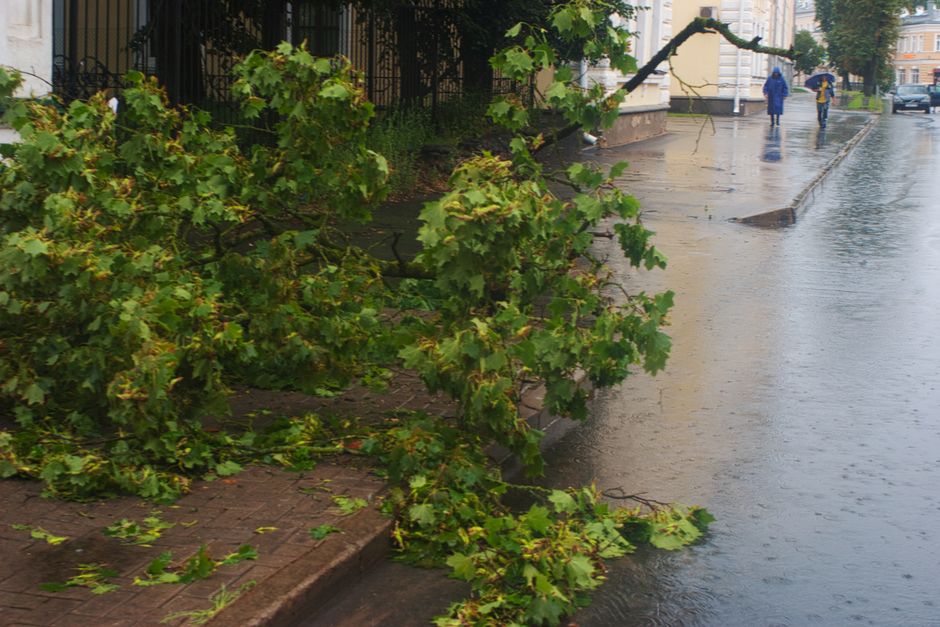
Fallen limbs after a winter storm are heavier, wetter and less stable than they look. For junk removal of yard debris in Anderson, CA, the log anderson junk removal 121 melody keeps starts with one rule: check for power lines before touching a branch. Storms that come through Shasta County in winter drop oak limbs on driveways, fences and carports, and the cleanup begins with cutting, not hauling.
What gets checked before a limb is moved?
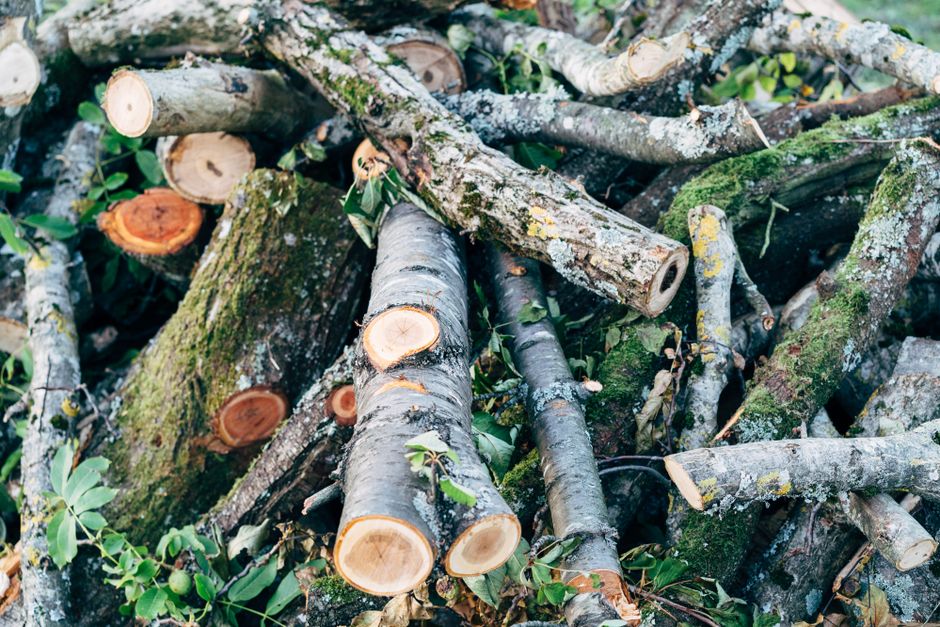
Any limb touching or near a wire is left alone and reported to the utility. Next comes the load on the branch itself: a limb hanging from a tree can swing when the weight on it shifts, and a half-split trunk can drop without warning. A chainsaw is for people who have used one, with chaps, a helmet and eye protection, and a clear exit path behind them.
How is green waste different from other debris?
Branches, leaves, grass and brush are green waste, and many haulers and transfer stations take them as a separate stream for composting or chipping. Mixing a load of limbs with fence boards or roofing material turns a cheap stream into a mixed one. Cutting branches into lengths a person can lift keeps the pile organized and the truck bed full.
What does a typical yard in Anderson hold?
Valley oak limbs, pine cones, shed shingles, broken patio chairs and a lot of wet leaves are common after a blow. Properties on the flats near the Sacramento River and Anderson River Park also pick up river debris when water runs high. Yards out toward Cottonwood are larger, so the branches pile up in different places, and a chipper can reduce the volume to a fraction of the original pile.
Why do fire season and storm season connect?
Dry brush stacked against a house in July is the same brush that fell in January. Cleaning up storm damage before summer lowers the fuel near buildings, which matters across Shasta County, where Mount Shasta and Lassen Peak can both be seen on a clear day and wildfire smoke is a regular visitor. Fallen limbs are removed before they dry out, not after.
Where does it go?
Clean green waste goes to a composting or chipping site, and the operator decides what it takes. Treated lumber, painted wood and wire do not belong in the green stream, and they are pulled out first. Stumps and rootballs are heavy and dirty, so they ride separately. A tarp over the bed keeps leaves from blowing off along Interstate 5.